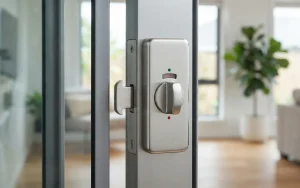

Use office key hierarchy planning to assign practical staff access with Altona Locksmiths across Melbourne workplaces.
Office key hierarchy planning maps which roles can open which doors before locks and keys are configured. For Melbourne workplaces, this creates a practical brief for assigning access without giving every employee the same level of entry.
Start With Roles, Doors and Daily Work
A workable hierarchy starts with the building, not a generic organisational chart. Our office key hierarchy planning process reviews the doors that require controlled access and how staff, managers, cleaners, contractors and maintenance personnel move through the site. Our commercial locksmith services include key-system design, installation and maintenance for workplaces in Altona and Greater Melbourne.
The direct answer is simple: each person should receive access required for their duties, while broader keys should be limited to roles that genuinely need them. Reception staff may need public entries and selected offices, while a facilities manager may require wider building access. A cleaner may need scheduled access to work areas without entry to records or server rooms.
What an Office Key Plan Should Record
A useful plan connects people, areas and authority. Before we recommend a system, workplace decision-makers should identify current access needs and foreseeable changes. This early mapping exposes unnecessary access before it is built into the locking arrangement.
The planning brief should cover:
- Door groups: List entries, offices, meeting rooms, storage areas, plant spaces and other zones that need distinct access.
- Role groups: Group keyholders by operational need rather than issuing broad access simply because people share a department.
- Approval authority: Nominate who can approve additional keys, access changes and replacement requests.
- Key records: Maintain an issue register showing the key identifier, holder, issue date and return status.
- Change scenarios: Plan for new rooms, team growth, contractors, staff departures and lost or unreturned keys.
Restricted and Master-Key Functions Are Different
A master-key hierarchy determines which authorised key opens each lock. A restricted key system controls how additional keys are ordered and duplicated. These functions can support the same workplace plan, but they are not interchangeable. The hierarchy must still be designed around real access requirements and managed after installation.
For a broader explanation of tiered access, our article on implementing a master key system for your business outlines how selected keys can operate selected locks. The Australian Government’s Protective Security Policy Framework also demonstrates the wider principle of protecting people, information and resources through risk-based security. It applies to Australian Government entities, so private businesses should treat it as contextual guidance rather than a claim of compliance.
Review the Hierarchy as the Workplace Changes
An access plan becomes unreliable when key records and staff responsibilities drift apart. We recommend reviewing the hierarchy when teams relocate, tenancies change, sensitive rooms are added or keys are not returned. The review should confirm who still needs access, whether each door remains in the correct group and whether records match keys in circulation.
Request an Office Access Assessment
Our office key hierarchy planning starts with your workplace layout, role-based access needs and a practical key-system structure supported by the services shown on our website. Contact Altona Locksmiths to request an assessment or quote for your Melbourne workplace.