
Compare rekeying vs lock replacement in Melbourne and choose the right response for your lock condition, key control and access needs.
Rekeying and replacement solve different problems. Rekeying changes which keys operate suitable existing hardware; replacement installs different hardware when the lock is damaged, unsuitable or no longer meets the property’s needs. Our residential locksmith services begin with the condition of the door and lock—not a one-size-fits-all recommendation.
When Is Rekeying the Practical Choice?
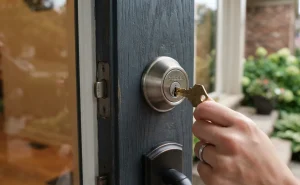
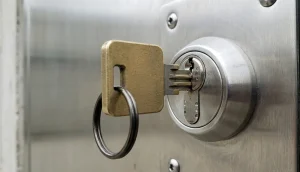
Rekeying changes the internal key configuration of a compatible lock so a new key operates it and previous keys no longer do. It can retain serviceable hardware and avoid unnecessary replacement costs when the real problem is uncertain key control.
We may recommend an assessment after:
- Moving Into a Property: Previous owners, occupants, agents or trades may still possess working copies.
- Lost or Unreturned Keys: A missing key can create an access problem even when the lock remains mechanically sound.
- Tenant or Staff Changes: Existing access may need to be withdrawn without replacing every compatible lock.
- Too Many Separate Keys: Compatible locks may be reviewed for a more practical keyed-alike arrangement.
Rental providers, renters and property managers must also consider consent and key-supply obligations. Our article about locksmith requirements for rental properties provides useful context, while Consumer Affairs Victoria’s locks and security guidance should be checked for current responsibilities.
When Does Replacement Make More Sense?
Rekeying cannot correct every fault. Replacement may be more sensible when the lock has excessive wear, loose or broken components, attempted-entry damage, unsuitable functionality or incompatibility with the required key arrangement. Door movement and poor alignment should also be assessed because replacing a cylinder alone will not correct every closing or latching problem.
Our commercial locksmith services include master-key, keyed-alike and restricted-keyway solutions. Commercial decisions should therefore consider who needs access to each door, who can authorise key duplication and whether some high-risk openings require different hardware rather than simply putting every door on one key.
Is Rekeying Always the Cheaper Option?
No. Rekeying often retains usable hardware, but its value depends on lock type, compatibility, quantity, required keys, site access and any necessary repairs. Keeping a failing lock to reduce the immediate invoice is false economy. Replacing sound hardware without a clear reason can also waste budget.
The lowest upfront price is not necessarily the best decision if it leaves unresolved wear, poor operation or unsuitable access control.
Warning signs such as stiffness, intermittent operation and loose fittings deserve inspection before failure. Our lock servicing guidance for Melbourne homes explains why operation and maintenance should be considered separately from key-control changes.
Request the Right Lock and Access Assessment
Before requesting a quote, list the affected doors, missing or unreturned keys, people who still require access and any lock faults you have noticed. Commercial clients should also identify access levels and any restricted areas.
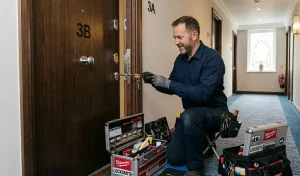
Contact us with your property type, suburb, number of affected locks and preferred access arrangement. We can assess whether rekeying, selective replacement or a combination of both is the practical option for the job.